Protein: Sources, Digestion & Role
Introduction to Protein
Protein is one of the three macronutrients essential for human health and physiological function. Made up of amino acids, proteins play numerous roles in the body beyond simply providing energy. Understanding protein composition, sources, and digestion processes provides insight into how this nutrient supports your body's functioning.
Amino Acids: The Building Blocks
Proteins are composed of 20 different amino acids. Of these, 9 are considered "essential" because your body cannot synthesise them and must obtain them from food. These essential amino acids are: histidine, isoleucine, leucine, lysine, methionine, phenylalanine, threonine, tryptophan, and valine.
The remaining 11 amino acids are "non-essential," meaning your body can synthesise them from other compounds. However, they may become conditionally essential during periods of illness or stress.
A "complete protein" source contains all 9 essential amino acids in adequate amounts. Animal proteins (meat, fish, eggs, dairy) are typically complete proteins. Plant-based proteins often lack one or more essential amino acids, though combining different plant sources can create a complete amino acid profile.
Protein Sources and Composition
Protein sources vary in their amino acid composition and nutritional profile. Animal sources include:
Meat and Poultry: Beef, chicken, and pork provide complete proteins along with B vitamins, iron, and zinc.
Fish and Seafood: Fish provides complete protein, omega-3 fatty acids, and iodine. Different varieties offer different nutritional profiles.
Eggs: Eggs are a complete protein source and contain choline, lutein, and various vitamins and minerals.
Dairy Products: Milk, yogurt, and cheese provide complete proteins along with calcium and vitamin D.
Plant-based protein sources include:
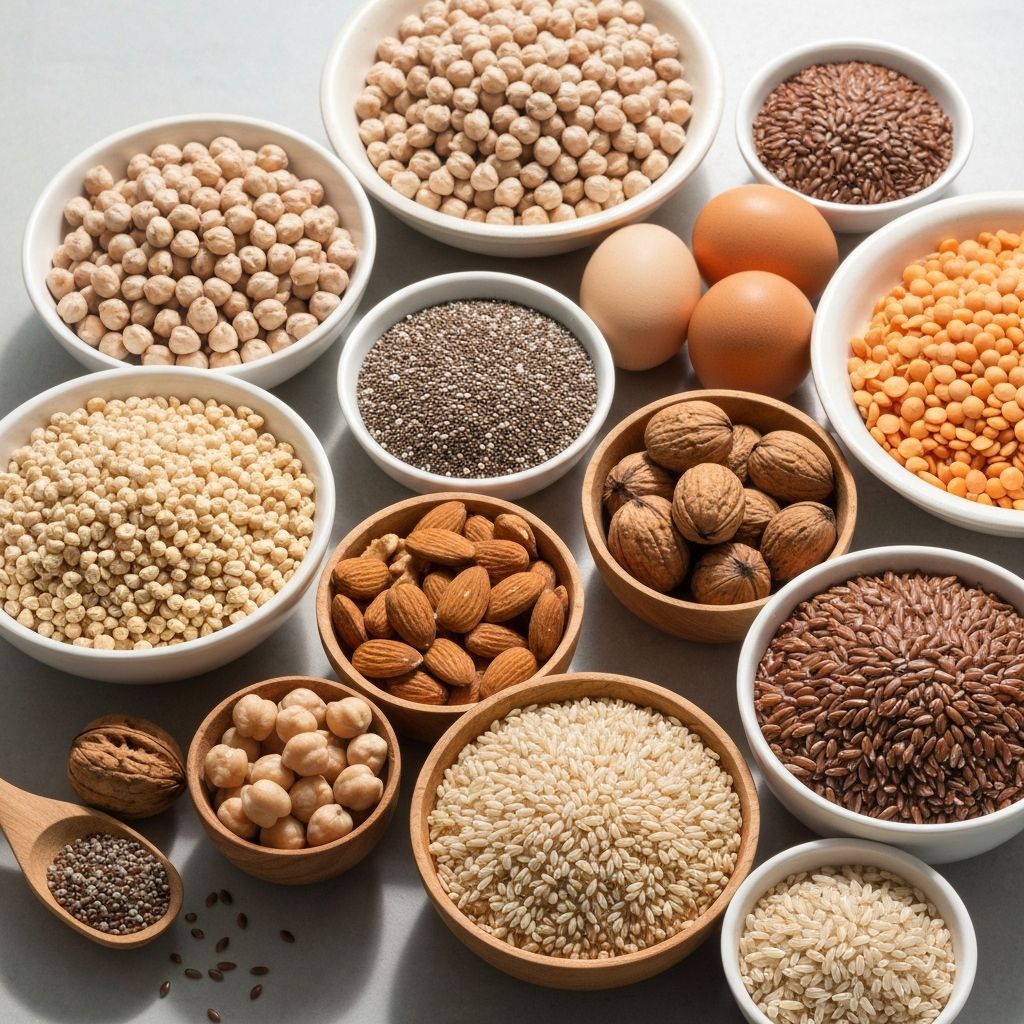
Legumes: Beans, lentils, and peas provide protein, fibre, and carbohydrates. They are lower in some amino acids compared to animal proteins.
Nuts and Seeds: Almonds, peanuts, sunflower seeds, and others provide protein and healthy fats, though often in smaller amounts than legumes.
Whole Grains: Oats, quinoa, and other grains contribute protein alongside carbohydrates and fibre.
Soy Products: Tofu, tempeh, and edamame provide complete proteins with all essential amino acids.
Protein Digestion and Absorption
When you consume protein, digestion begins immediately. In the stomach, hydrochloric acid and the enzyme pepsin begin breaking down protein into smaller chains called polypeptides. This process is crucial as it increases the surface area of the protein for further digestion.
The partially digested protein then moves into the small intestine, where pancreatic enzymes (trypsin and chymotrypsin) continue the breakdown process, reducing proteins to individual amino acids and small peptides. These are then absorbed through the intestinal wall into the bloodstream.
The rate of protein digestion varies depending on the protein source and the presence of other foods. Generally, animal proteins are digested more rapidly than plant proteins. Consuming protein with carbohydrates and fats can slow digestion, potentially providing more sustained nutrient absorption and stable energy levels.
Physiological Roles of Protein
Muscle Synthesis and Repair: This is perhaps the most well-known role of protein. Amino acids are the raw materials needed to build and repair muscle tissue. Physical activity creates microtears in muscle fibres, and adequate protein provides the amino acids necessary for repair and adaptation.
Enzyme Function: Enzymes are proteins that catalyse countless biochemical reactions throughout your body, from digestion to energy production to immune responses.
Hormone Production: Many hormones that regulate bodily functions are proteins or derived from amino acids. Examples include insulin (regulates blood glucose), growth hormone (supports growth and metabolism), and various neurotransmitters.
Immune Function: Antibodies, which fight infections, are proteins. White blood cells also depend on adequate protein for proper function.
Transport and Storage: Proteins transport nutrients, oxygen, and hormones throughout the body. Haemoglobin, which carries oxygen in blood, is a protein.
Structural Components: Proteins form part of skin, hair, nails, connective tissue, and bone.
Satiety and Appetite Regulation: Protein has a higher thermic effect than other macronutrients, meaning your body uses more energy to digest protein. Protein also triggers satiety hormones, contributing to feelings of fullness.
Individual Protein Needs
Protein requirements vary based on multiple factors including age, sex, body composition, activity level, and individual metabolism. The recommended dietary allowance (RDA) is 0.8 grams of protein per kilogram of body weight for sedentary adults.
However, individuals engaging in resistance training may benefit from higher protein intake, typically ranging from 1.6 to 2.2 grams per kilogram of body weight. Older adults may also have higher protein requirements to maintain muscle mass.
Individual protein requirements are not universally standardised, and factors such as digestive efficiency, nutrient absorption, and individual health status influence actual needs.
Protein Quality and Bioavailability
Protein quality refers to how effectively your body can utilise the amino acids in food. This depends on the amino acid composition and digestibility. Animal proteins are generally considered high-quality due to their complete amino acid profile and high digestibility.
Plant proteins, while lower in one or more amino acids, can still effectively contribute to meeting protein needs, especially when varied sources are consumed together.
Cooking methods, processing, and preparation can affect protein bioavailability. Gentle cooking methods generally preserve more nutritional value than high-heat methods.
Practical Considerations
Meeting your protein needs does not require consuming excessive amounts at any single meal. Spreading protein intake throughout the day supports more consistent amino acid availability for muscle synthesis and other physiological processes.
Individual preferences, food access, cultural traditions, and ethical considerations all influence protein choices. Both animal and plant-based proteins can contribute effectively to meeting nutritional needs.
The most sustainable approach to protein intake is one that fits your lifestyle, preferences, and accessibility, while providing adequate amounts of diverse protein sources.
Educational Context
This article presents general nutritional science information. It is not medical advice and does not provide personalised dietary recommendations. For guidance on your individual protein needs, please consult with a qualified healthcare professional or registered dietitian.